


Night Class
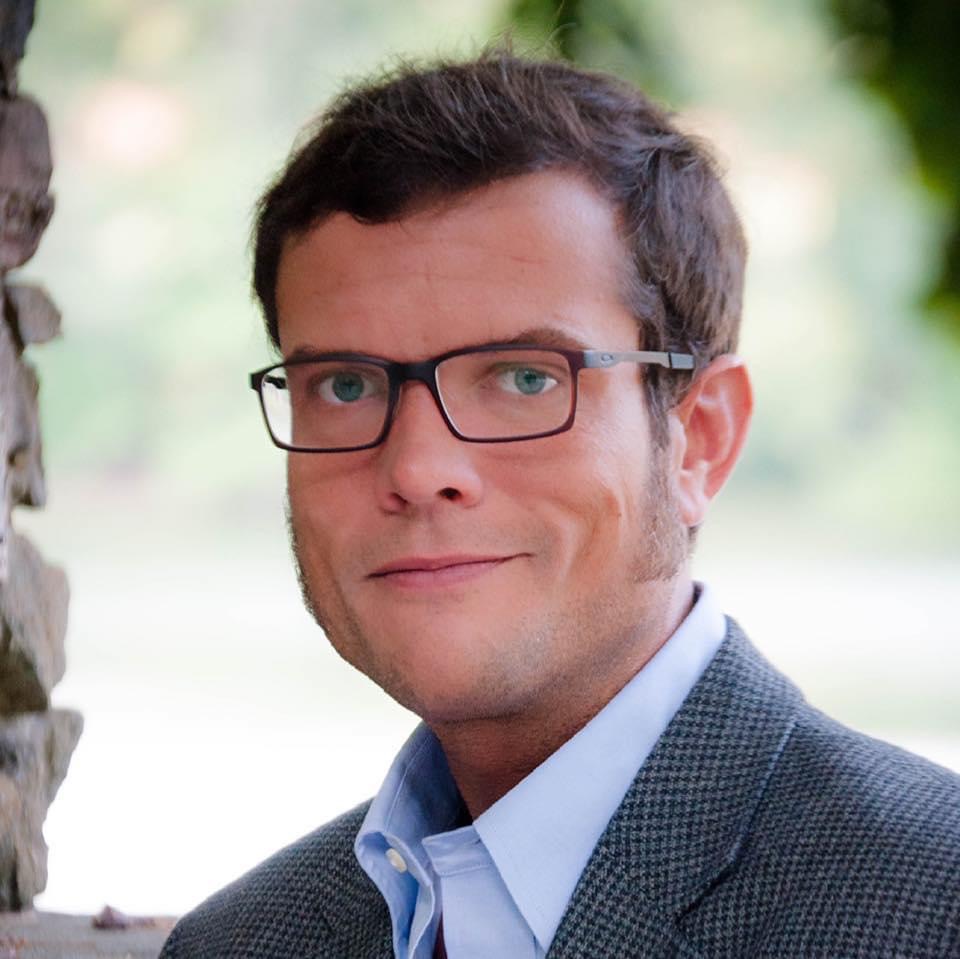

The storm had been building all evening, growling like something hungry beyond the tall windows of Hargrove Hall. I could feel it in my teeth, that low electric hum that precedes something violent. But Professor Calloway never paused. He paced the front of the lecture hall the way he always did, hands clasped behind his back, voice steady as a metronome.
"The medieval mind," he said, "did not distinguish between the natural and the supernatural the way we do. To them, the world was permeable. Thin."
I wrote that down. Permeable. Thin. My pen scratched loud in the silence between thunderclaps. It was a small class to begin with, maybe fifteen on a good night. An elective: Folklore and the Western Imagination, Wednesday evenings, seven to ten. The kind of class you take to fill a credit, then find yourself unable to stop thinking about at 2 a.m.
The lights flickered once, twice, and then the room plunged into darkness.
I waited for the collective groan, the nervous laughter, the glow of phone screens blooming like deep-sea creatures. But nothing came. Just the rain clawing at the glass and the professor's voice, which had not stopped.
"They believed that certain places were thinner than others. Crossroads. Doorways. Spaces between one state and another." His shoes clicked against the floor. Click. Click. Click. "A classroom at night, for instance, is a liminal space. Neither fully public nor private. Neither day nor night. A place where people gather, but do not belong."
I shifted in my seat. The wooden chair groaned beneath me, and the sound was enormous.
"Professor?" I said. "Should we wait for the backup generator?"
"By all means, wait," he said. "Waiting is the natural state of the student."
A few seconds passed. I expected someone to laugh. No one did.
"Doesn't anyone have a phone?" I said, louder this time, turning in my seat. I couldn't see anything. The windows were black rectangles filled with rain. "Hey, can someone pull up a flashlight?"
Nothing.
The rain intensified, hammering the building so hard it sounded like applause.
"Professor, I think maybe we should..."
Lightning split the sky.
For one bright, frozen second, the room was lit in blue-white, every detail seared into my vision like a photograph. The rows of chairs. The chalkboard with its half-finished notes. The professor at the front, standing perfectly still, hands clasped, watching me.
Every other seat was empty.
The dark swallowed the room again.
My heart did something strange, a stutter, a skipped beat, like a record jumping its groove. I counted backward. I had walked in at 7:05, five minutes late, slipping into my usual seat, fourth row, aisle. The room had been... I tried to picture it. Had I actually looked? I remembered my bag, my notebook, finding my pen. I remembered the professor already talking. But the other students, had I seen them? Or had I simply assumed?
"Where is everyone?" My voice came out smaller than I wanted.
"That is an excellent question," Professor Calloway said. "One that presupposes 'everyone' was here to begin with."
"There were other people. There are always other people."
"Are there?" His voice drifted closer. Not from the front of the room anymore. From the aisle. "Tell me their names."
I opened my mouth. Closed it. I had been in this class for nine weeks. I sat in the same seat every Wednesday. And I could not recall a single face. Not one name. Just the vague sense of presence, of shapes in chairs, of the low murmur that a group of people generates simply by breathing and shifting and being alive.
"You're scaring me," I said.
"Good," he replied, and his voice was kind, which made it worse. "Fear is a form of attention, and attention is rare. Do you know how many students sleepwalk through their lives, through their classes, through rooms full of people they never once truly see?"
Lightning again. Closer now, almost on top of us. The flash lit the room for a full two seconds, and I saw him standing at the end of my row, six feet away. His eyes were pale, almost colorless. His smile was slight and ancient and not unkind.
The dark returned.
"What are you?" I whispered.
"I am your professor," he said, as if that were the simplest answer in the world. "And you are my student. And this is the lesson."
"What lesson?"
"That presence matters. That showing up, truly showing up, with your mind and your eyes and your fear and your full attention, is the rarest thing a person can do."
The lights came back on, all at once, buzzing and fluorescent and ordinary. I flinched against the brightness.
The room was empty. But it had always been empty, I understood that now. The chairs were dusty. The chalkboard was smudged with old notes in handwriting I didn't recognize. A campus flyer on the wall near the door advertised events from three years ago.
Professor Calloway stood at the lectern, adjusting his glasses. He looked solid. Normal. Tired, maybe, the way all professors look tired.
"Same time next week," he said.
I packed my bag with shaking hands. At the door, I stopped and turned back.
"Professor? Does attendance really count?"
He looked at me over his glasses, and for just a moment, I saw something vast behind his eyes, something older than the building, older than the university, older than the idea of universities.
"It's the only thing that does," he said.
I walked out into the rain. Behind me, the lights in the classroom went dark, one by one, as if no one was there at all.


Comments